
How Many Times Can You Re-Sand Engineered Timber Flooring?
Engineered timber flooring has become one of the most popular choices for Auckland homes - and for good reason. It’s sustainable, stable in changing climates, and offers the same beautiful natural timber look as solid flooring.
In a previous blog post we covered what the key differences and benefits are between the two options.
You can read that post here: What's the difference between engineered and solid oak flooring?
A common question we hear from clients is: “How many times can I re-sand engineered flooring compared to solid timber?”
Let’s break that down.
Understanding the Sanding Process
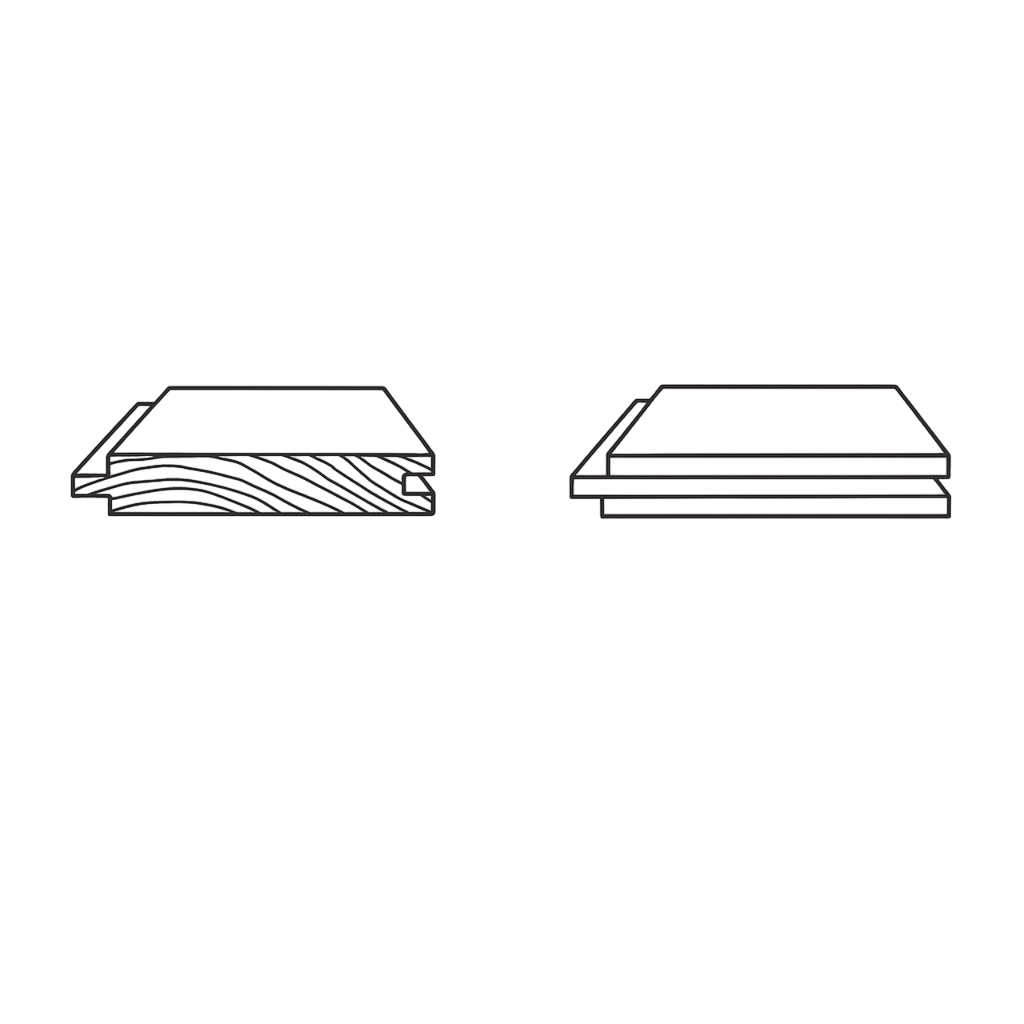
Both solid and engineered timber flooring use a tongue and groove (T&G) connection system, which locks the boards together. Whether nailed or glued to the subfloor, the T&G structure limits how deep you can sand before reaching the joint.
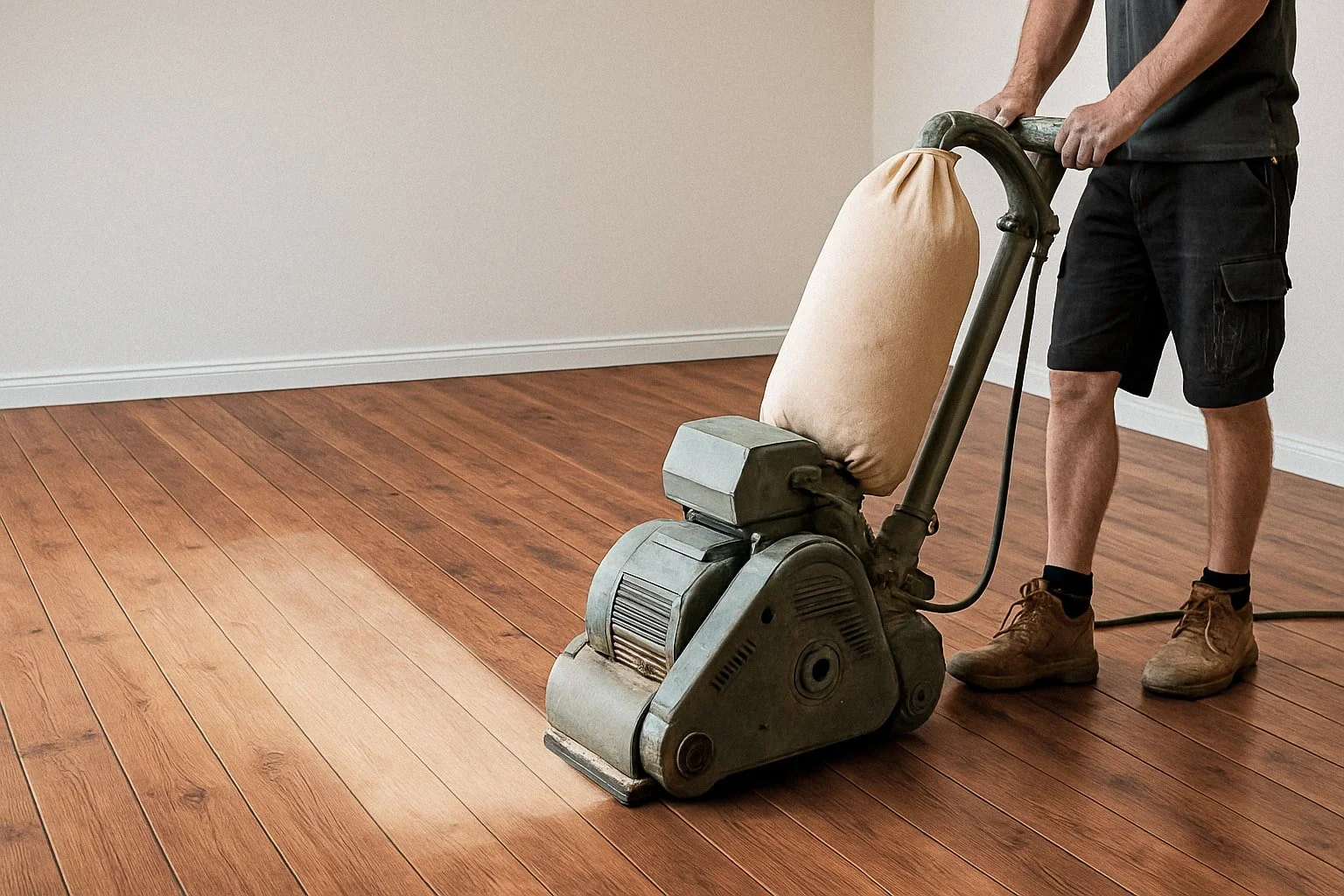
Each re-sand typically removes around 1-2mm from the surface. Once you’ve reached the top of the tongue, the floor can’t be sanded again without compromising its integrity.
Comparing Re-Sandable Thickness
In solid timber flooring, the re-sandable layer - measured from the surface down to the tongue - is generally around 5-6mm.
Engineered flooring, on the other hand, has a 3-6mm hardwood wear layer bonded to a stable plywood or birch base. This means the re-sandable portion is almost identical to that of solid flooring.
The key factor isn’t whether it’s engineered or solid - it’s the thickness of the top hardwood layer. Some premium engineered boards offer a thicker wear layer, but you’ll usually pay a little more for that benefit.
So, How Many Re-Sands Can You Expect?
Realistically, both solid and engineered flooring can handle around 3-4 professional re-sands over their lifetime.
With proper care and maintenance - such as using protective pads, avoiding moisture, and refinishing only when necessary - your timber floors can look beautiful for decades.
Thinking About Refinishing or Installing New Floors?
If you’re considering re-sanding your existing floors or planning a new flooring project, our team can help you choose the right timber and finish for your space.
Call us today to speak with one of our flooring specialists for tailored advice and recommendations.